.png)
Owning a Lake Home: Is the Dream Worth the Maintenance and Costs?

A lake home can make an ordinary weekend feel like a vacation. It can also turn one loose dock board into a full Saturday project.
Both are true.
Owning a lake home brings quiet mornings, boat rides, family memories, and possible rental income. It also brings repairs, insurance, weather issues, and bills that do not care how pretty the sunset looks.

The best parts of owning a lake home are easy to understand
The appeal is not complicated. Water changes the pace of a day.
A cup of coffee on a dock feels different from one at a kitchen counter. Kids can swim for hours. Friends linger longer. Phones stay inside more often. Even basic chores feel less dull when the lake is right there.
One lake homeowner described it this way:
“We bought the place for weekend breaks. What surprised me was how quickly it became the place our family wanted to gather.”
That is a common theme. A lake home often becomes the default meeting spot for summer weekends, holidays, and milestone birthdays.
The main benefits usually fall into three buckets.
Relaxation
Quiet mornings, slower evenings, and a real change of scenery without booking a trip.
Long-term value
Waterfront property is limited. In desirable areas, that scarcity can support demand over time.
Recreation
Swimming, fishing, kayaking, paddleboarding, boating, tubing, and winter activities in colder areas.
Rental potential
Some owners offset costs with short-term rentals, subject to local rules, taxes, and upkeep.
The recreation benefit is real. A lake home gives easy access to activities that otherwise take planning. No loading the car for a day trip. No fighting for a good public launch. No rushing home before dark.
It also creates simple routines. Morning fishing. Evening boat rides. A swim before dinner. These are small things, but they add up.

The investment side can help, but it is not guaranteed
A lake home can be a strong asset. Waterfront land is finite. Many buyers want it. That can support resale value, especially if the home sits on a clean, usable lake with good road access and nearby services.
Rental income can also help. A well-kept home with good swimming, a dock, and enough beds may attract vacation renters during peak season.
Still, this is not free money.
Short-term rentals bring cleaning costs, platform fees, wear and tear, local taxes, and guest questions. Some lake communities limit rentals. Some homeowner associations ban them. Insurance may cost more if the home is rented.
One owner who rents their cabin during July and August put it plainly:
“The rental income helps with taxes and insurance. But every guest stay creates work. Towels, trash, repairs, messages. It is not passive.”
That is a fair way to view it. Rental income can reduce the burden. It should not be the only reason to buy.
This content is informational only. Real estate values, rental rules, taxes, and insurance costs vary by location.
The maintenance is where the dream gets tested
A lake house faces more than normal wear. Water, wind, humidity, storms, freezing temperatures, and wildlife all add pressure.
Common maintenance issues include:
Dock repairs and seasonal dock removal in colder climates
Shoreline erosion and permitting limits
Septic system care
Well water testing and filtration
Roof, siding, and deck weather damage
Boat lift and trailer maintenance
Pest control
Mold and moisture prevention
Tree cleanup after storms
A primary home gets regular attention because someone lives there. A lake home may sit empty for weeks. Small problems can grow before anyone sees them.
A loose shingle becomes a leak. A fallen branch damages a railing. A sump pump fails during a storm. A raccoon finds a weak spot.
One owner shared a familiar frustration:
“The house was peaceful on Friday night. By Saturday morning, I was at the hardware store buying a new water heater part.”
That does not mean lake home ownership is a bad idea. It means the maintenance should be part of the budget from day one.
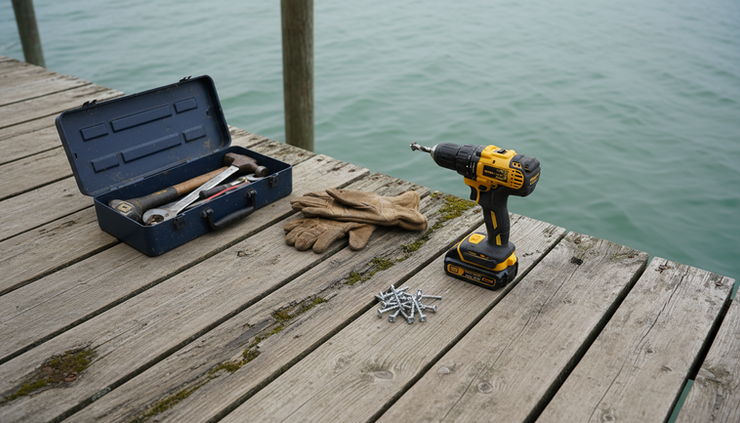
Seasonal access and hidden costs can change the math
Some lake homes work year-round. Others do not.
In northern states, winter can bring snow-packed roads, frozen pipes, ice damage, and dock storage. In remote areas, plowing may be limited. A home that feels easy in July may be hard to reach in January.
Seasonal homes can also have systems that need closing and reopening. That may include draining water lines, winterizing plumbing, servicing HVAC, and checking for storm damage in spring.
Costs can add up fast. Beyond the mortgage, expect some mix of:
Property taxes
Homeowners insurance
Flood insurance in certain areas
Boat insurance
Dock and lift maintenance
Utilities
Internet service
Septic and well service
Lawn and tree care
Snow removal
Furnishings and replacement items
Rental cleaning and management, if used
Insurance deserves special attention. Waterfront homes may face higher risk from storms, flooding, wind, and liability. A dock, boat, or swimming area can also affect coverage needs.
The smartest buyers price the full lifestyle, not just the purchase.
A simple way to decide if the tradeoff works
Before buying, ask direct questions.
How often will the home be used? A place visited ten weekends a year has a very different cost per visit than one used every month.
Who will handle repairs? If the home is two or three hours away, minor problems become harder. A local handyman, dock company, plumber, and property watcher can make ownership easier.
Is the lake right for the activities that matter? Some lakes are great for fishing. Others are better for boating. Some have weed issues, low water levels, busy public access, or strict motor rules.
Will the home still work in five years? Think about kids, aging parents, work schedules, and travel habits.
Before making a decision, walk through the property in bad weather if possible. Ask about the septic system. Check internet options. Learn the lake rules. Talk with neighbors. Review local rental restrictions.
If you want help weighing the lifestyle, costs, and resale factors, reach out to discuss your lake home goals.
FAQ
Is owning a lake home worth it?
It can be worth it for people who will use it often and can handle the upkeep. The value is strongest when the home supports real family time, relaxation, and recreation.
Can a lake home pay for itself with rentals?
Sometimes, but do not count on it. Rental income may offset costs, but cleaning, repairs, taxes, fees, and local rules can reduce profit.
What is the biggest surprise for new lake homeowners?
Maintenance. Docks, shorelines, weather, moisture, and seasonal systems create more work than many buyers expect.
Are lake homes harder to insure?
They can be. Waterfront location, flood risk, docks, boats, and rental use may affect coverage and cost. Speak with an insurance agent before buying.
Should I buy a seasonal or year-round lake home?
A year-round home offers more use and flexibility. A seasonal home may cost less, but access, winterization, and limited utility systems can create extra work.

The takeaway is practical
Owning a lake home is not just buying a view. It is buying a routine.
That routine may include coffee on the dock, sunset swims, and full weekends with people you love. It may also include dock repairs, higher bills, winter prep, and sudden trips to fix things.
The dream can be worth it. Just make sure the maintenance and costs fit the life you actually want.


Comments