.png)
How Lakefront Property Values Compare to Inland Homes
- Gabe Cerny

- 2 hours ago
- 3 min read

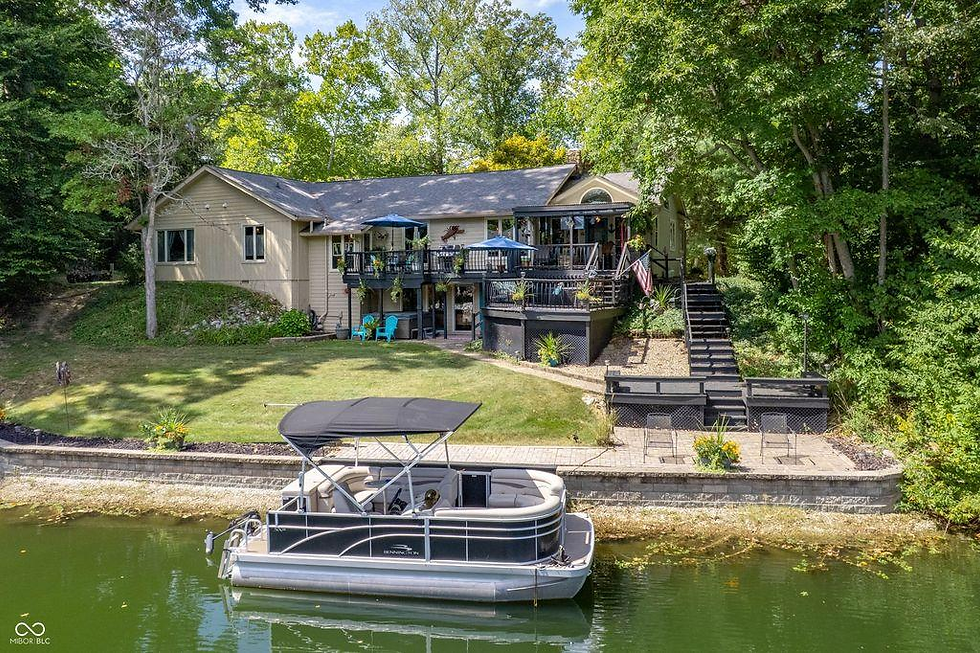
When it comes to real estate, few property types generate as much interest as waterfront homes. Whether located on a large recreational lake or a quiet waterfront retreat, lakefront properties often command a premium over comparable inland homes. But what exactly drives these higher values, and are lake homes always a better investment?
Here's how lakefront property values typically compare to inland homes.
Waterfront Property Is Limited
One of the biggest factors supporting lakefront home values is simple economics: supply and demand.
Why Waterfront Is Different
Shoreline is limited.
New waterfront lots cannot be created easily.
Demand often exceeds available inventory.
Buyers are willing to pay a premium for direct water access.
Unlike traditional neighborhoods that can expand through new development, waterfront inventory is naturally restricted.
Lakefront Homes Typically Sell for More
In many markets, lakefront properties command significantly higher prices than similar inland homes.
Premium Features Buyers Value
Direct water access
Private docks
Scenic views
Recreational opportunities
Greater privacy
Vacation-home appeal
Two homes with similar square footage can have dramatically different values simply because one sits on the water.
Appreciation Can Be Stronger
Waterfront properties often experience strong long-term appreciation due to limited supply.
Reasons Values May Increase Faster
Growing demand for lifestyle properties
Limited lakefront inventory
Increased interest in remote work and second homes
Strong appeal to retirees and vacation buyers
While appreciation varies by market, waterfront homes often outperform inland properties over long periods.
Lifestyle Drives Demand
Many buyers are not simply purchasing a home—they're purchasing a lifestyle.
Benefits That Attract Buyers
Boating
Fishing
Swimming
Waterfront entertaining
Sunrise and sunset views
Relaxation and recreation
This emotional appeal can help maintain strong buyer demand even during changing market conditions.
Lakefront Properties Often Have Higher Carrying Costs
Higher values often come with higher ownership expenses.
Additional Costs May Include
Dock maintenance
Shoreline repairs
Flood insurance
Seawall maintenance
Landscaping
Watercraft storage
Buyers should evaluate these costs alongside the property's potential appreciation.
Market Performance During Economic Changes
Waterfront properties can perform differently than inland homes during economic shifts.
Potential Advantages
Limited supply
Strong lifestyle appeal
Attraction to affluent buyers
Long-term desirability
Potential Challenges
Smaller buyer pool
Higher price points
Longer marketing times in slower markets
Luxury lakefront properties may be more sensitive to economic downturns, while moderately priced waterfront homes often maintain broad appeal.
Rental Income Potential
Many lakefront properties offer income opportunities that inland homes may not.
Benefits
Vacation rental demand
Premium nightly rates
Seasonal income opportunities
Strong tourism appeal
Popular lakes often attract visitors willing to pay a premium for waterfront accommodations.
Not All Lakes Are Equal
The value premium depends heavily on the specific lake.
Factors Affecting Value
Water quality
Recreational opportunities
Lake size
Public access
Community reputation
Nearby amenities
For example, homes on highly desirable lakes such as Lake James or Lake George may command larger premiums than properties on smaller, less-developed lakes.
Comparing Lakefront and Inland Homes
Factor | Lakefront Homes | Inland Homes |
Purchase Price | Higher | Lower |
Appreciation Potential | Often Stronger | Market Dependent |
Inventory | Limited | More Abundant |
Maintenance Costs | Higher | Lower |
Rental Potential | Strong | Moderate |
Lifestyle Appeal | Very High | Varies |
Buyer Demand | Consistently Strong | Market Dependent |
Final Thoughts
Lakefront properties typically command higher prices than inland homes because they offer something that cannot be easily replicated: direct access to the water, stunning views, and a unique lifestyle. While waterfront ownership often comes with higher maintenance and insurance costs, many buyers find that the combination of enjoyment, scarcity, rental potential, and long-term value makes lakefront real estate an attractive investment.
For buyers considering a move to Indiana's Lake Country, understanding how waterfront values compare to inland homes can help ensure a smart and rewarding real estate decision.


Comments